

75 Years of the Refugee Convention
In 1951, the world made a promise that people fleeing persecution would have the right to seek safety. That promise matters now more than ever, even as it comes under attack. CGRS is fighting to keep it.
The Refugee Convention is more than a legal document. It is a concrete expression of a shared global commitment to human dignity, one that defines what it means to be a refugee and establishes protections that 149 countries, including the United States, have agreed to honor. That commitment has saved millions of lives. Seventy-five years later it continues to offer practical responses to modern challenges of forced displacement and remains a common safety net.
This anniversary is not just a moment to commemorate the past, but to recommit to the rights and values that protect us all. The United States has always been enriched by its diversity. Refugees and asylum seekers are part of it, present and contributing to every facet of American life. The Refugee Convention gives the right to seek safety a legal foundation, one built for us and for all generations to come.
The Refugee Convention guarantees the right to seek asylum. The government's practice of turning back people before they can reach our border and make a claim violates that guarantee. CGRS has been part of the coalition fighting to end it.
A January 2025 proclamation suspended asylum processing at the southern border entirely, on the spurious claim that vulnerable people seeking asylum constituted an invasion. CGRS and partners have challenged it in court.
The government is transferring asylum seekers to dangerous “third” countries where they have never been and where there is no meaningful refugee protection, in order to circumvent the guarantees the Refugee Convention was built to uphold. CGRS is challenging the regulation that enables it.
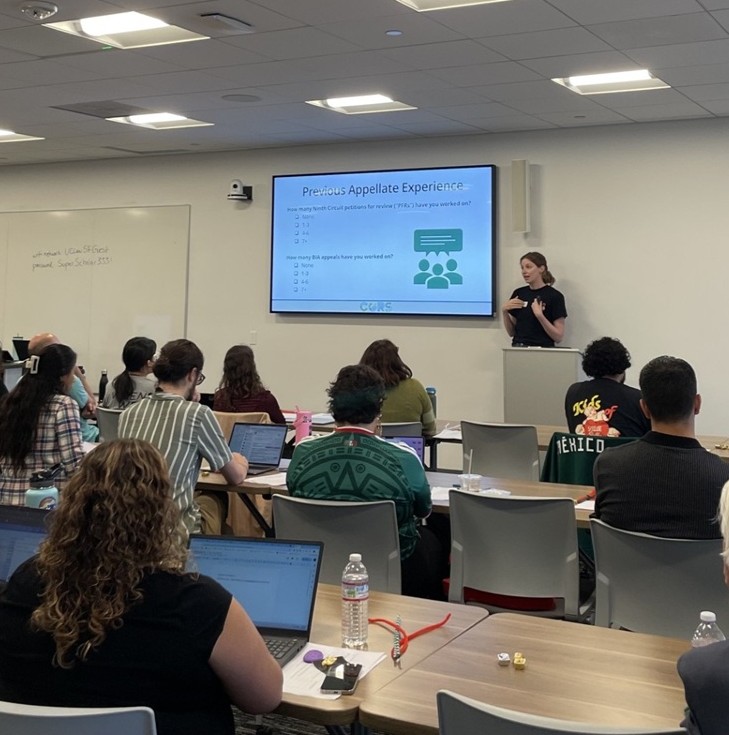
CGRS provides free webinars, training, consultations, and resources to attorneys and advocates across the country, enhancing their capacity to successfully litigate individual asylum cases. The better equipped lawyers are to navigate an asylum system under attack, the stronger the chances for the people the Refugee Convention was built to protect.
1939 - The MS St. Louis and the World's Failure
The MS St. Louis carried more than 900 Jewish refugees fleeing Nazi persecution. The United States, along with Cuba and Canada, refused entry. The ship was forced to return to Europe; many of its passengers perished in the Holocaust. The tragedy became a defining symbol of what happens when the world turns its back on refugees.
1945 - Never Again
World War II ends; the United Nations is founded and the world begins to reckon with the Holocaust. The international community now had both the moral imperative and the institutional architecture to build a framework for refugee protection.
1951 - The Refugee Convention is Adopted
The Convention Relating to the Status of Refugees is signed in Geneva on July 28. It defines “refugee” and sets out the obligations states owe to people who qualify for protection. Chief among them is non-refoulement, the prohibition against forcibly returning someone to the very persecution they fled.
1967 - The Refugee Protocol Expands Protection
The original Refugee Convention was limited geographically and temporally to events before 1951 in Europe. The 1967 Protocol removed those restrictions, making the Convention's protections universal in scope.
1968 - The United States Accedes to the Refugee Protocol
By joining the Refugee Protocol, the United States bound itself to the core obligations of the Refugee Convention for the first time. The accession codified a national commitment to the principle that people fleeing persecution deserve protection.
1980 - The Refugee Act Brings the Refugee Convention into U.S. Law
Congress passed the Refugee Act of 1980 to align U.S. with international law, incorporating the Convention's refugee definition and prohibition against refoulement into the Immigration and Nationality Act. Since then, the right to seek asylum has had a clear statutory foundation in the United States, one that has protected people fleeing persecution for over four decades.
1948 - The Universal Declaration of Human Rights
Setting a common standard of achievement for all peoples and all nations, the Universal Declaration enshrines the right to seek and to enjoy in other countries asylum from persecution.
1939 - The MS St. Louis and the World's Failure
The MS St. Louis carried more than 900 Jewish refugees fleeing Nazi persecution. The United States, along with Cuba and Canada, refused entry. The ship was forced to return to Europe; many of its passengers perished in the Holocaust. The tragedy became a defining symbol of what happens when the world turns its back on refugees.
1945 - Never Again
World War II ends; the United Nations is founded and the world begins to reckon with the Holocaust. The international community now had both the moral imperative and the institutional architecture to build a framework for refugee protection.
1951 - The Refugee Convention is Adopted
The Convention Relating to the Status of Refugees is signed in Geneva on July 28. It defines “refugee” and sets out the obligations states owe to people who qualify for protection. Chief among them is non-refoulement, the prohibition against forcibly returning someone to the very persecution they fled.
1967 - The Refugee Protocol Expands Protection
The original Refugee Convention was limited geographically and temporally to events before 1951 in Europe. The 1967 Protocol removed those restrictions, making the Convention's protections universal in scope.
1968 - The United States Accedes to the Refugee Protocol
By joining the Refugee Protocol, the United States bound itself to the core obligations of the Refugee Convention for the first time. The accession codified a national commitment to the principle that people fleeing persecution deserve protection.
1980 - The Refugee Act Brings the Refugee Convention into U.S. Law
Congress passed the Refugee Act of 1980 to align U.S. with international law, incorporating the Convention's refugee definition and prohibition against refoulement into the Immigration and Nationality Act. Since then, the right to seek asylum has had a clear statutory foundation in the United States, one that has protected people fleeing persecution for over four decades.
1948 - The Universal Declaration of Human Rights
Setting a common standard of achievement for all peoples and all nations, the Universal Declaration enshrines the right to seek and to enjoy in other countries asylum from persecution.
At the 2023 Global Refugee Forum, CGRS pledged to strengthen refugee leadership in our work. In 2024, we expanded our advisory board to include people with lived experience of forced displacement. In 2026, we launched our inaugural Refugee Leadership Program, bringing the voices, expertise, and leadership of refugees to the heart of our advocacy.

Your contribution helps us defend the rights of refugees.